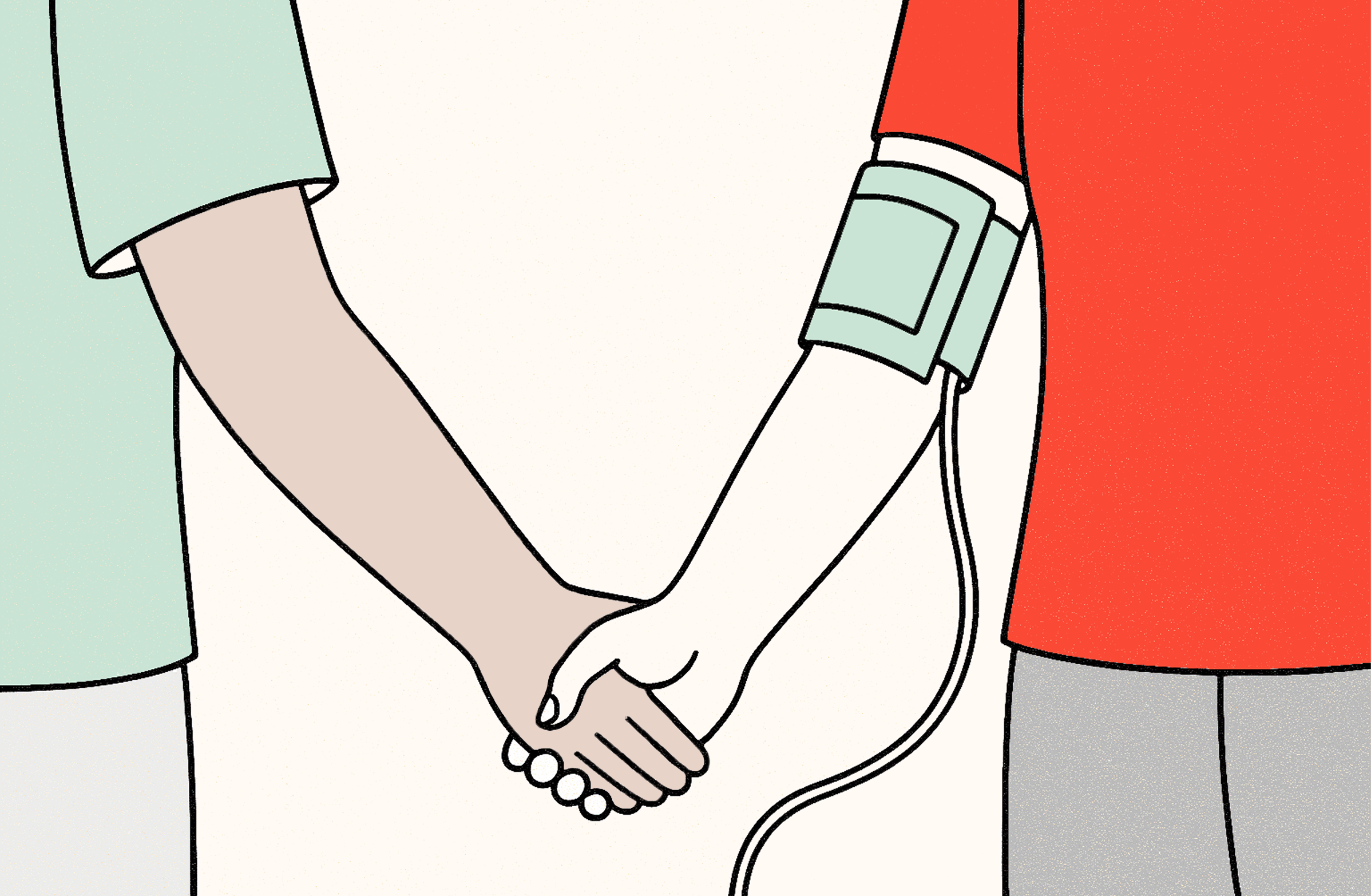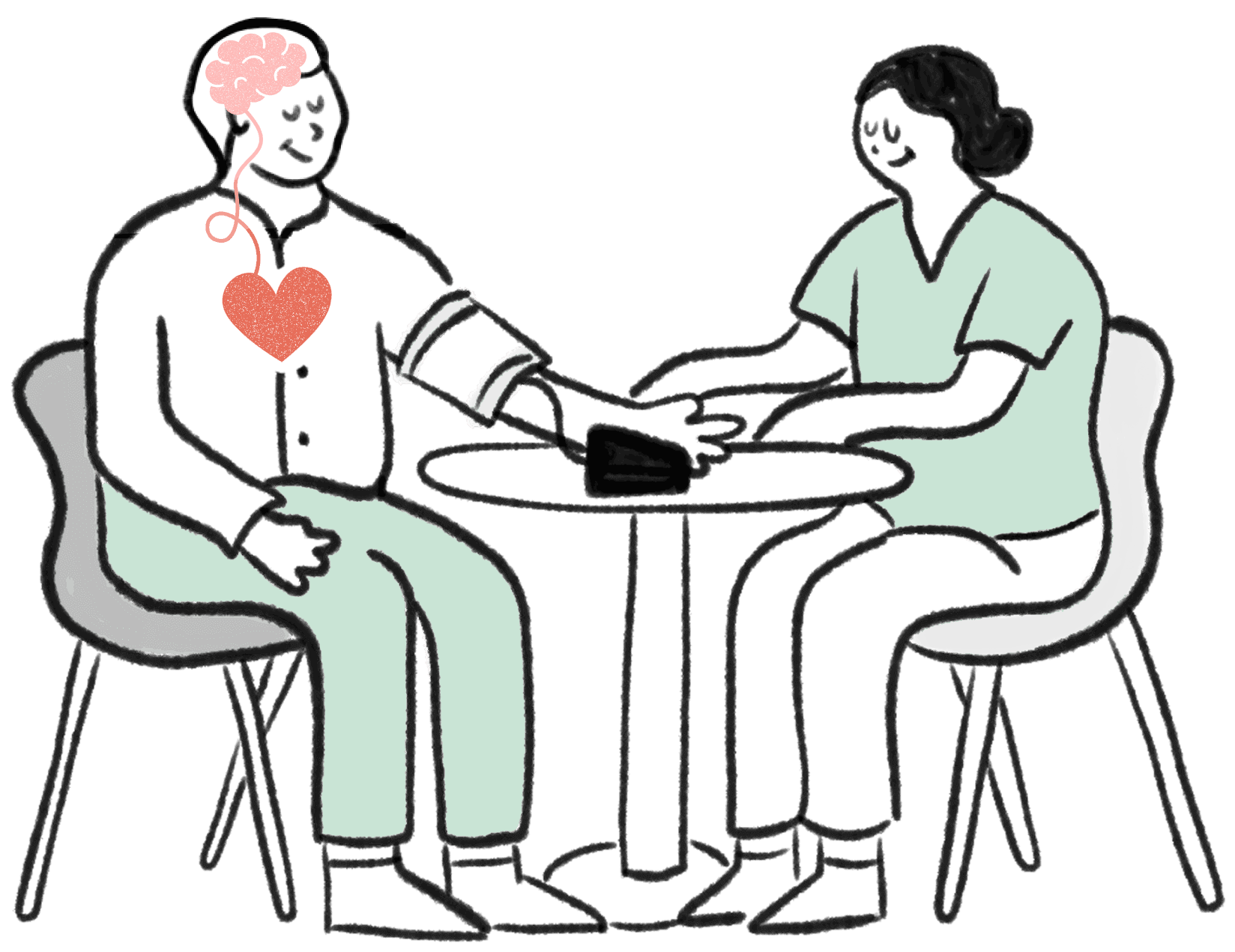

Heart and brain attacks (AKA strokes) are the #1 killers in America—and high blood pressure is a main risk factor. When it’s too high, your blood vessels get damaged, your heart works overtime, and your risk skyrockets. The good news? ThumpThump helps you check it, manage it, and keep it in the safe zone—so you can stick around a lot longer.
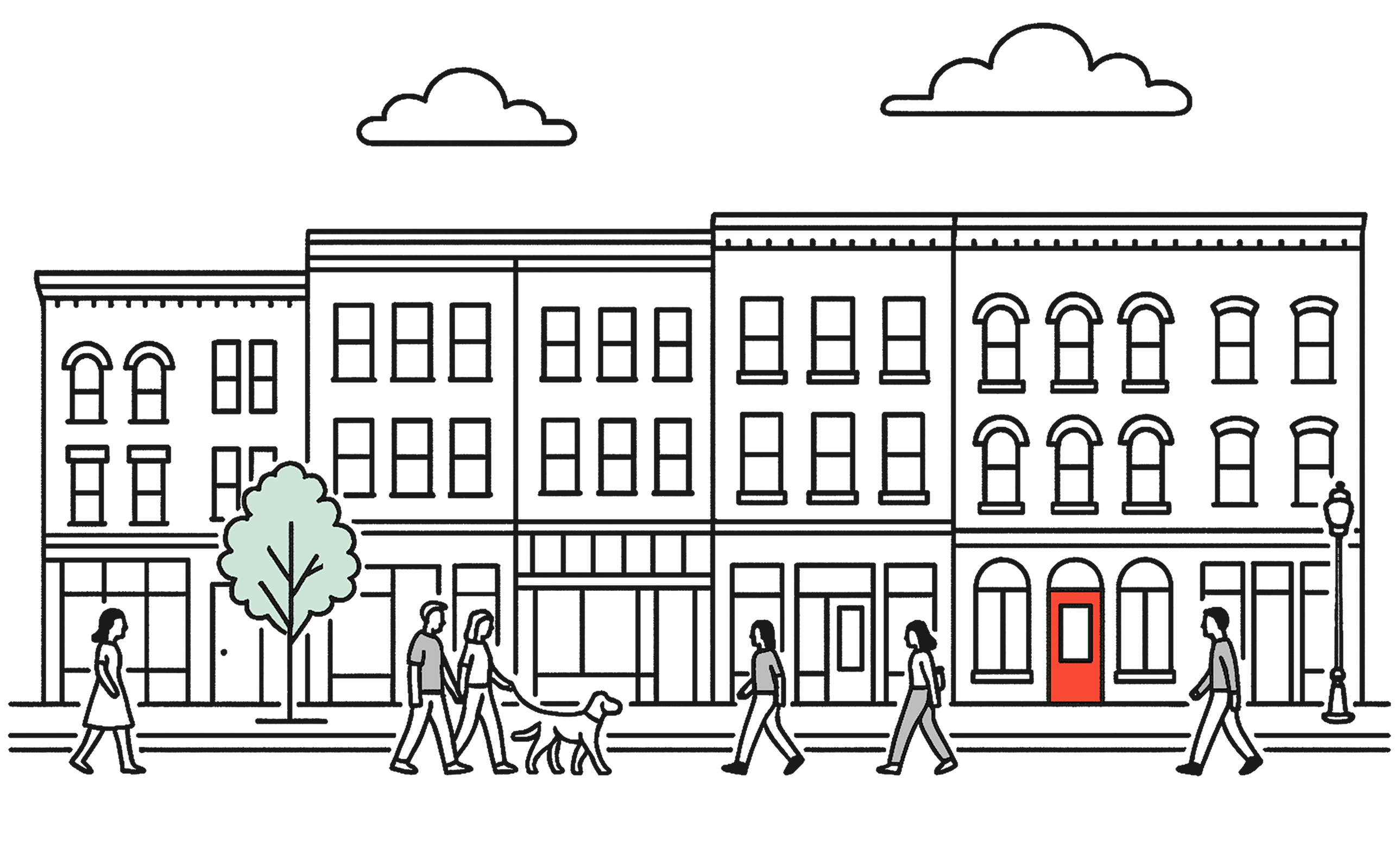
Get StartedOur story starts in Derby, Connecticut – a small city with a big opportunity: to prevent unnecessary heart attacks and strokes. With Griffin Health at its center and Yale up the road, Derby became the perfect place to start. So local healthcare pros, leaders, and neighbors joined forces to make prevention easier. If we can do it here, we can do it anywhere—saving millions of lives in Derby and beyond.
Everyone deserves to live a happy, healthy life. And people shouldn’t die or become disabled from diseases that can be prevented. So if something as simple as checking your blood pressure can help stop heart attacks and strokes, then it’s a no-brainer.
Get Started
Ready to take care of your ticker and noggin so you can live better for longer? Sign up to find out your baseline blood pressure. Then we’ll take it from there, together.
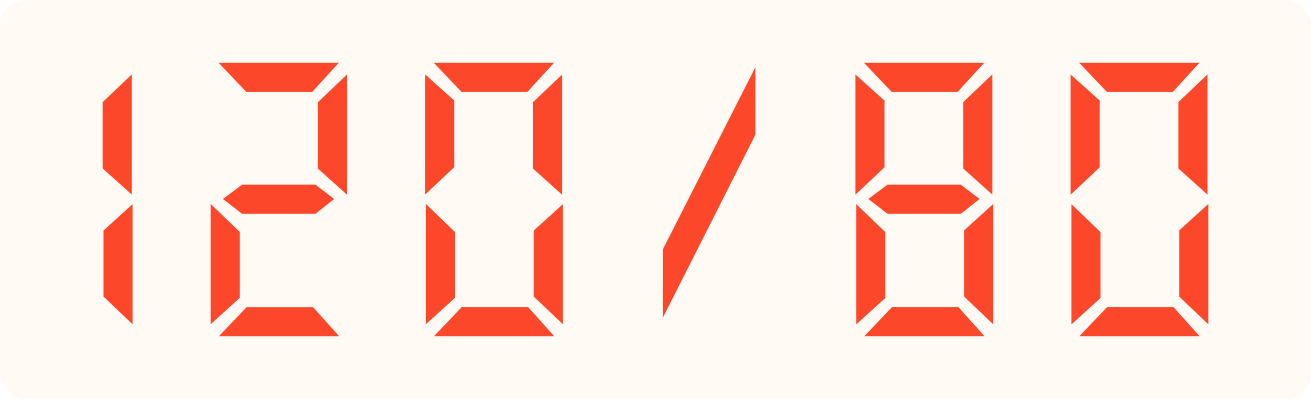


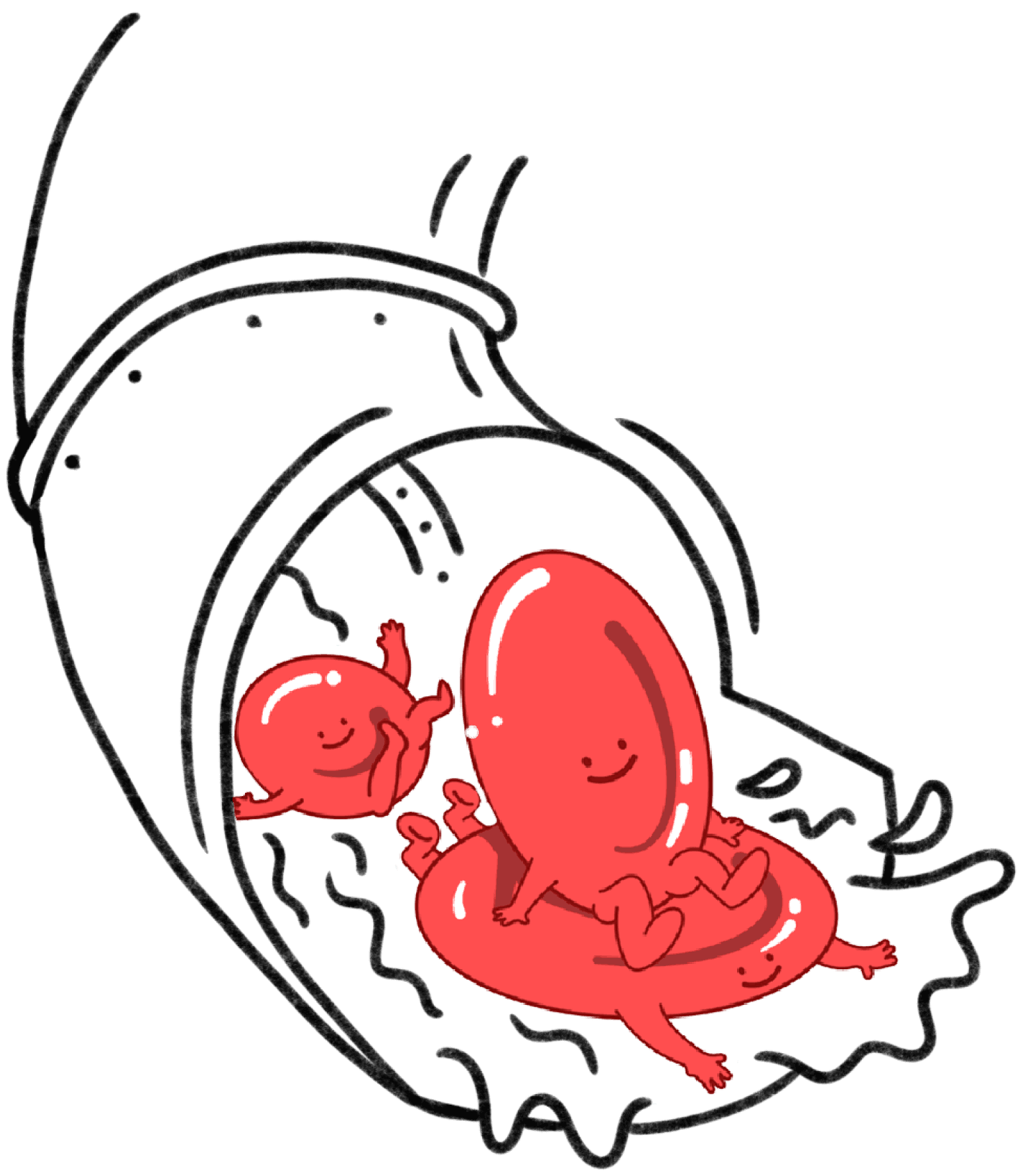
Imagine your heart is a water park. Your blood is the water that rushes down the water slide, or your blood vessels.
Blood pressure measures how fast and hard water moves down the slide. If it rushes too fast, it can wear out the slide. If it trickles too slowly, the slide won’t work well, and the water park won’t be at its best.
Keeping your blood pressure just right makes the water flow smoothly down the slide, so your heart, brain, and body can stay happy, healthy, and strong.